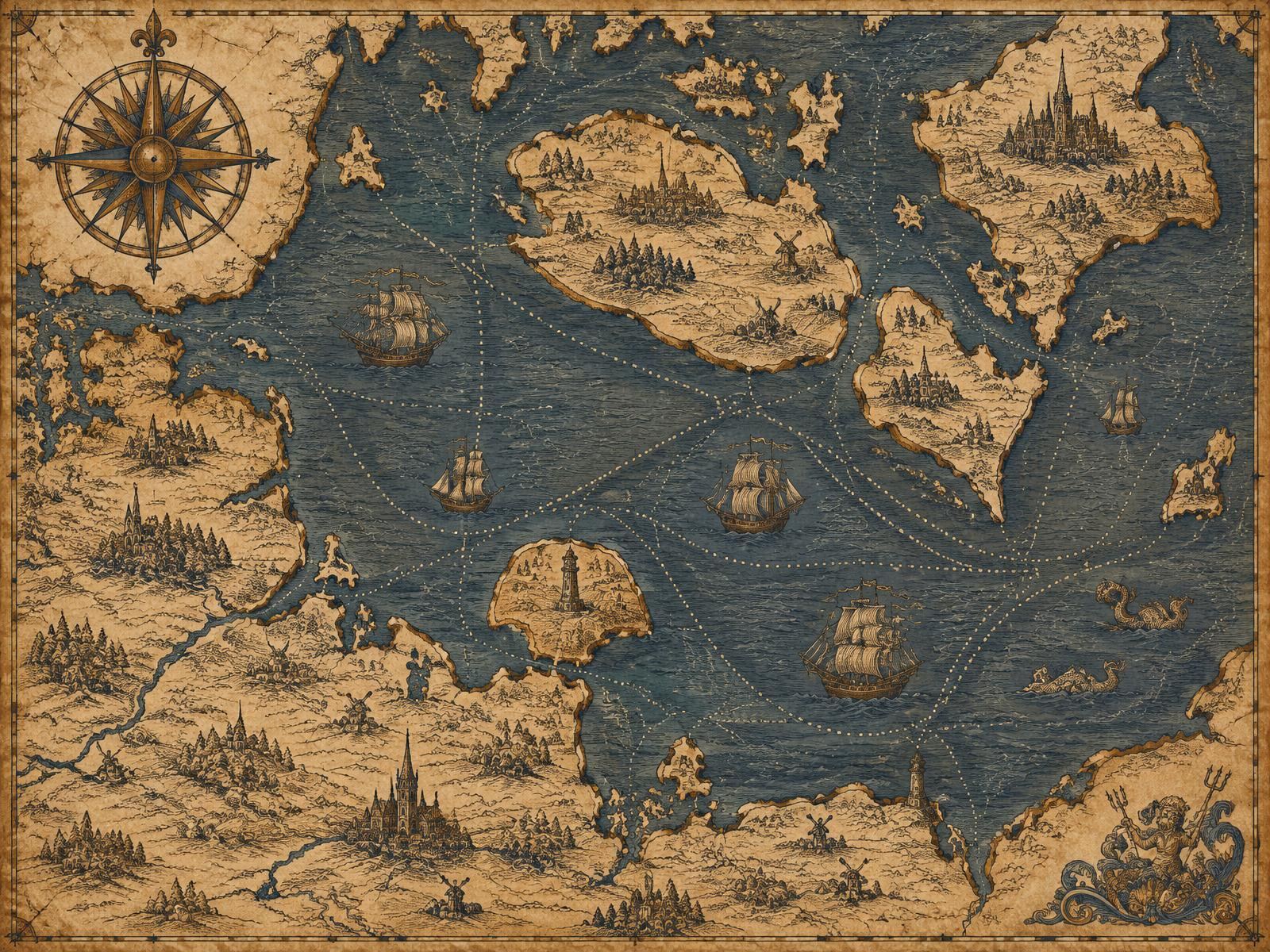
What Is the Vogelfluglinie?
The Vogelfluglinie — Fugleflugtslinjen in Danish, "bird flight line" in English — is the road and rail corridor linking Hamburg and Copenhagen via Lübeck, the island of Fehmarn, the Fehmarn Belt and the Danish islands of Lolland, Falster and Zealand. The name refers to the route migratory birds take between Scandinavia and central Europe over the same islands.
The Historical Origins
The concept of a direct line emerged in the early twentieth century and was actively pursued in the 1930s and early 1940s. Some construction began on the Danish side, including work related to the Storstrøm crossing — the Storstrøm Bridge between Falster and Zealand opened in 1937. The Second World War halted the wider project, which was revived through German–Danish cooperation in the 1950s.
Railway Infrastructure
Rail was at the core of the plan. New lines were built across Fehmarn and Lolland, and the Fehmarnsund Bridge carried both road and rail. On the Danish side, the Frederik IX Bridge over Guldborgsund linked Lolland with Falster. Trains crossed the Fehmarn Belt on railway ferries between Puttgarden and Rødby until 2019.
Road Connections
The corridor was equally designed for cars. Today the German A1 and B207 and the Danish E47 motorway form the road axis. The growth of road transport turned the Vogelfluglinie into one of Scandinavia's principal gateways to continental Europe.
The Fehmarn Belt Crossing
The roughly 18-kilometre Fehmarn Belt is the corridor's only open-water gap. Since 1963 it has been bridged by the Puttgarden–Rødby ferry, opened on 14 May 1963 together with the corridor itself.
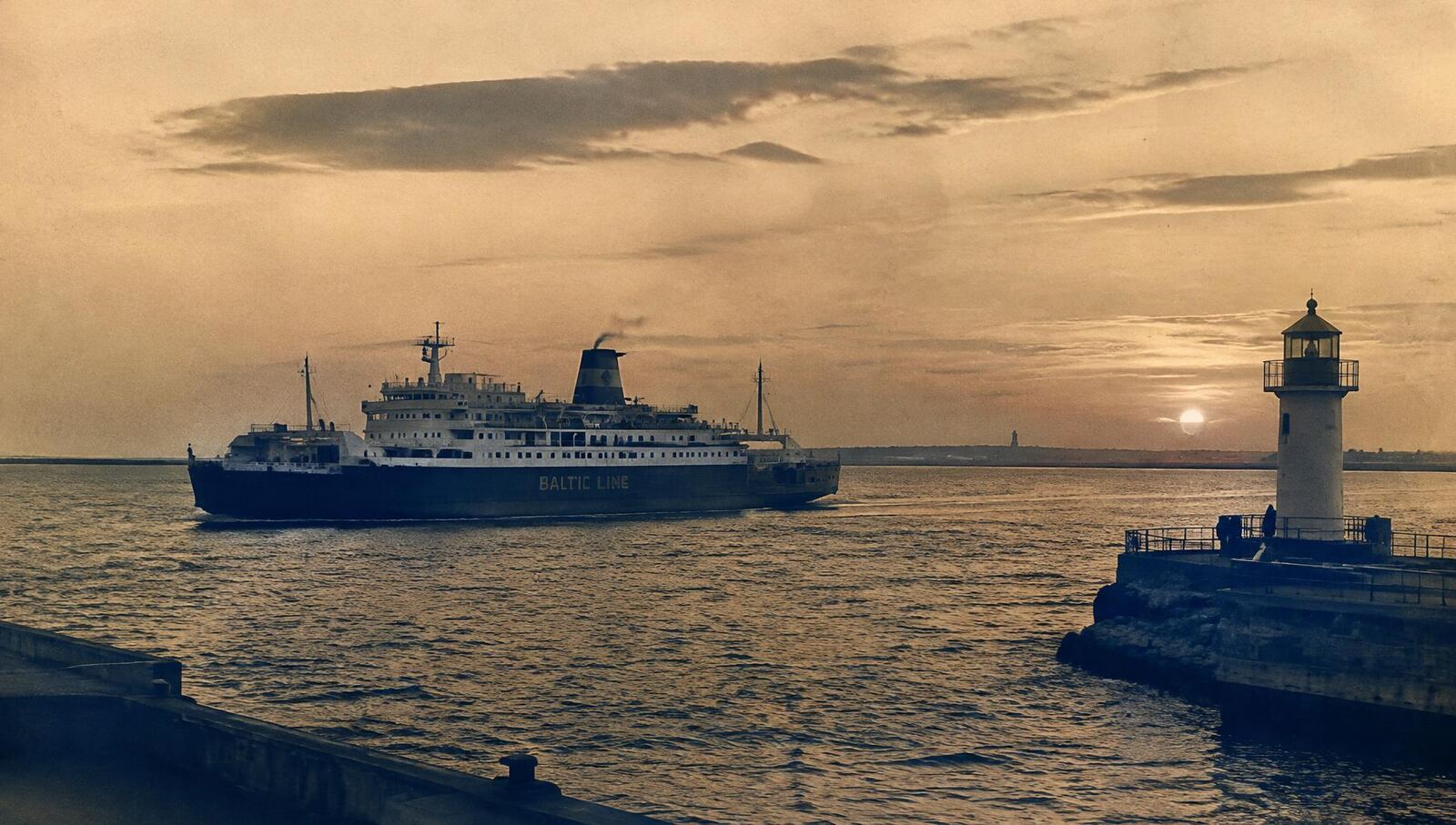
Ferry Services Along the Corridor
The ferry crossing is the corridor's pulse. Frequent departures with double-ended vessels kept waiting times short, and the route carried a mix of passenger cars, coaches, lorries and — for most of its history — trains.
Economic Importance
The corridor supports trade between Scandinavia and central Europe, tourism to Danish and German coasts, and regional economies on Fehmarn and Lolland. Ferry ports and their related services have long been important local employers.
European Transport Integration
The Vogelfluglinie forms part of the European Union's Scandinavian–Mediterranean corridor within the Trans-European Transport Network (TEN-T). Together with the Øresund Bridge (2000) to Sweden, it links Scandinavia to the heart of the continent.
The Fehmarn Belt Fixed Link
After decades of studies, Denmark and Germany signed a state treaty in 2008 for a fixed link across the Fehmarn Belt. The chosen solution is an immersed tunnel carrying a motorway and an electrified railway. Construction began in the early 2020s. Because schedules for large infrastructure projects can change, readers should consult the official project company, Femern A/S, for the current status.
The Future of the Corridor
A fixed link would shorten rail journeys between Hamburg and Copenhagen and change how traffic uses the corridor. The role ferries will play alongside the tunnel is a question that the history of other fixed links — such as the Great Belt — suggests may evolve over time.
1937
Storstrøm Bridge
Falster and Zealand linked by road and rail.
30 April 1963
Fehmarnsund Bridge
Fehmarn joined to the mainland.
14 May 1963
Vogelfluglinie opens
Puttgarden–Rødby ferry inaugurated.
2008
State treaty
Germany and Denmark agree on a Fehmarn Belt fixed link.
2019
Rail passengers rerouted
Trains leave the ferry route.