The Geography of the Fehmarn Belt
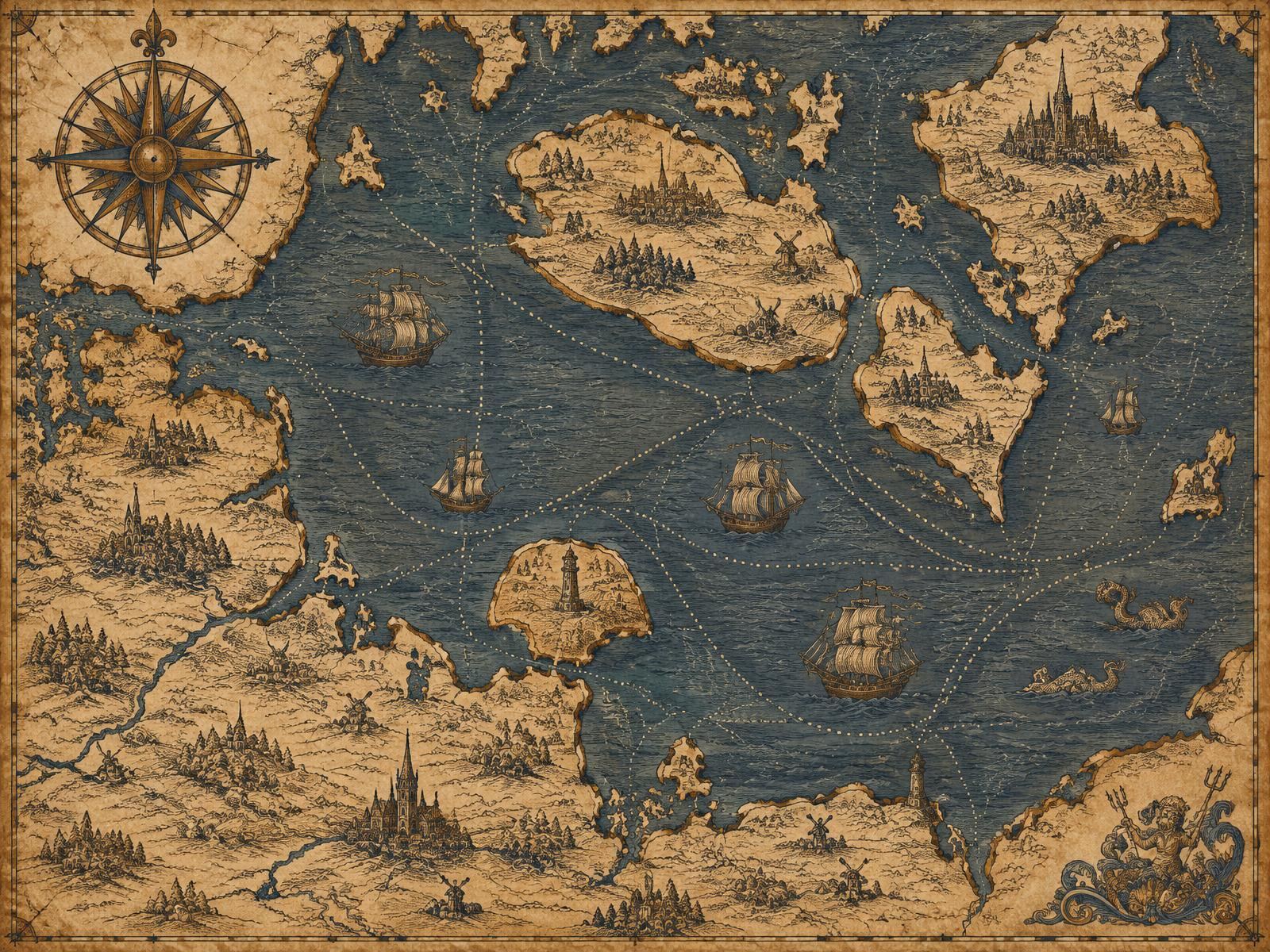
The Fehmarn Belt is the strait between the German island of Fehmarn and the Danish island of Lolland. At roughly 18 kilometres, it is the narrowest open-water gap on the direct line between Hamburg and Copenhagen. This geographic fact explains why the puttgarden rodby crossing became so important: a short sea passage meant frequent departures and a much faster journey than the detour via Jutland.
Early Transport Connections
Before 1963, rail and road traffic between Germany and Copenhagen used other routes. The 1903 Warnemünde–Gedser railway ferry served eastern Germany and Berlin. After 1945, traffic from western Germany moved to a ferry between Großenbrode in Holstein and Gedser, opened in 1951. Fehmarn itself was then still an island without a fixed link to the mainland.
The Development of the Vogelfluglinie
The idea of a direct "bird flight line" from Hamburg to Copenhagen across Fehmarn and Lolland dates to before the Second World War, and parts of the Danish infrastructure were begun in the 1940s. The project was revived and completed through a German–Danish agreement in the post-war period. Its full story is told in The Vogelfluglinie.
The Establishment of the Modern Ferry Connection
The Vogelfluglinie opened on 14 May 1963, inaugurated by King Frederik IX of Denmark and Federal President Heinrich Lübke. Two weeks earlier the Fehmarnsund Bridge had connected Fehmarn to the German mainland. New harbours were built at Puttgarden on the north coast of Fehmarn and at Rødbyhavn on Lolland, and the Großenbrode–Gedser service was replaced.
Railway Transportation
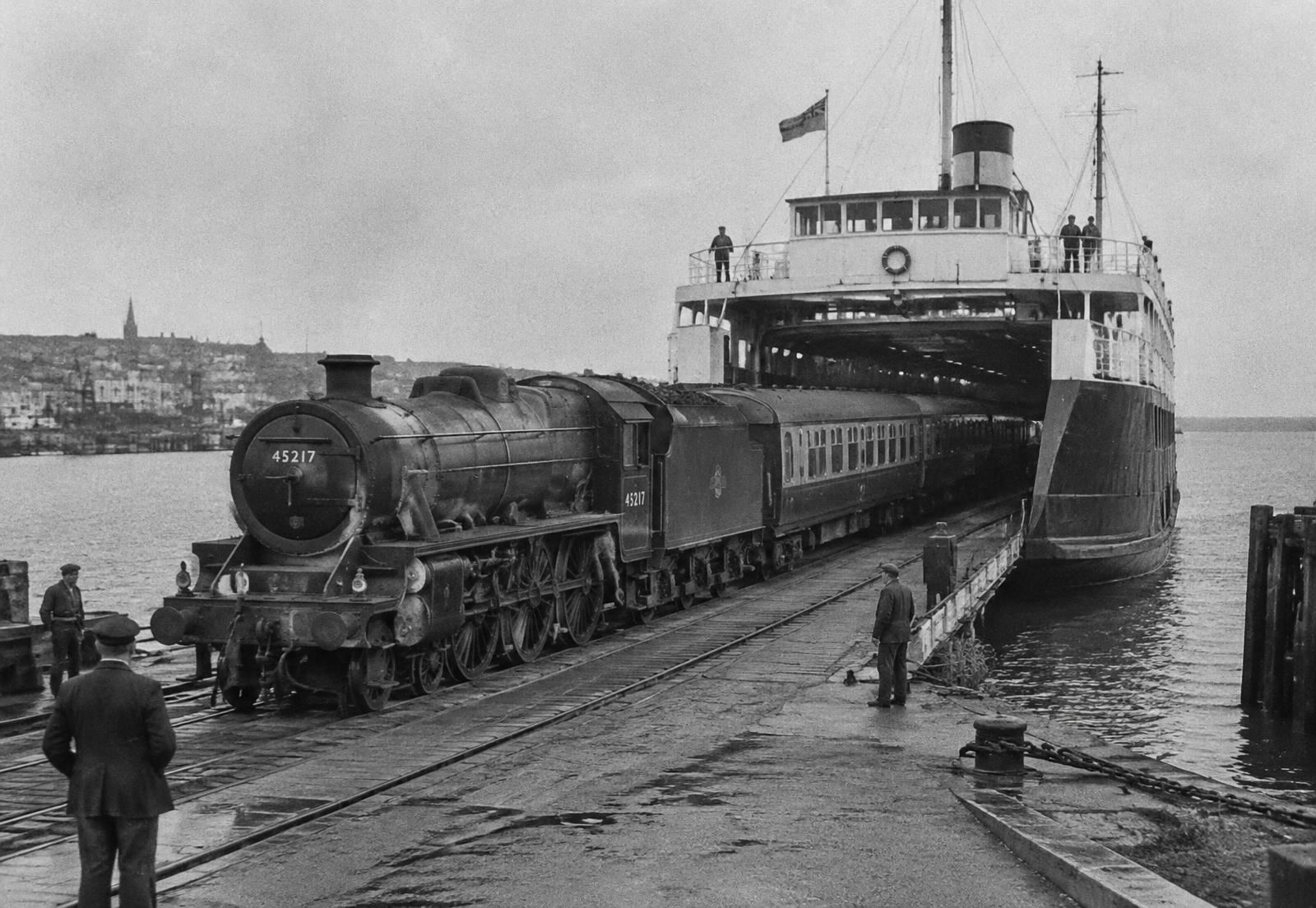
From the outset, the puttgarden rodby ferry route carried trains. International passenger trains between Hamburg and Copenhagen were driven aboard specially equipped ferries, and passengers could remain in their seats or walk the ship's decks during the crossing. Over time, freight trains shifted to the route via Jutland after the Great Belt fixed link opened in the late 1990s. At the timetable change in December 2019, passenger trains also stopped using the ferry, partly in preparation for construction of the fixed link.
The Growth of Automobile Travel
The 1960s and 1970s saw a boom in car ownership and holiday travel. The puttgarden rodby car ferry became the gateway for German motorists heading to Denmark and Sweden, and for Scandinavians driving south. Lorry traffic grew too, as European trade integration deepened.
Ferry Terminal Development
The puttgarden ferry terminal and the rodby ferry terminal were designed as combined rail and road ports, with tracks leading directly onto the berths and road lanes for cars and lorries. Over the decades they were adapted to larger vessels, faster loading and modern check-in systems.
Modern Vehicle Ferries
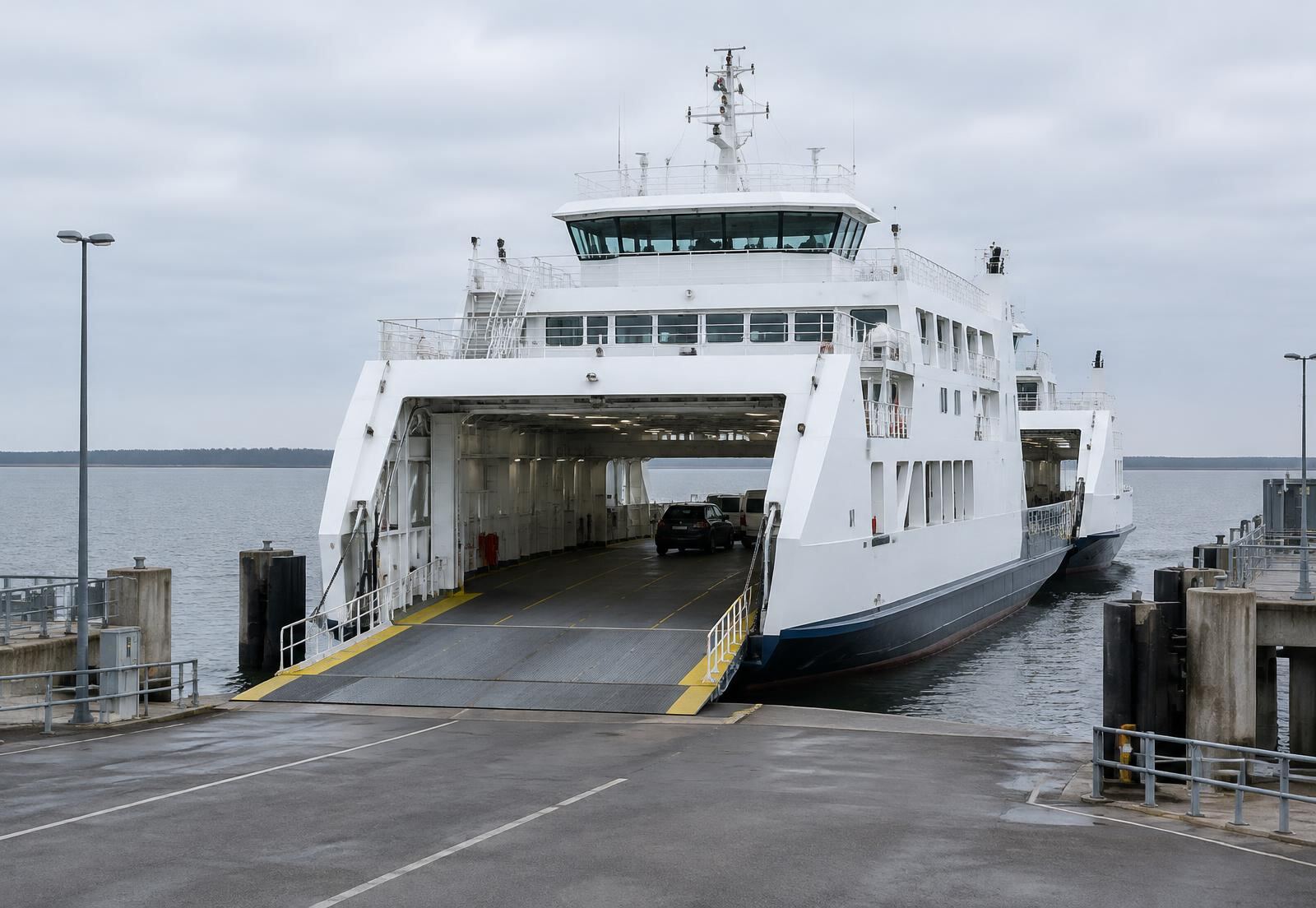
The route is operated with double-ended ferries, which can sail in either direction without turning and so minimise time in port. Successive generations have increased capacity, and modern vessels use hybrid propulsion that combines diesel engines with battery systems. Read more in Modern Ferry Transportation.
The Fehmarn Belt Fixed Link
Germany and Denmark signed a treaty in 2008 to build a fixed link across the Fehmarn Belt. The chosen design is an immersed road and rail tunnel. The motivation is historical as much as practical: the ferry crossing, however efficient, remained the bottleneck on the Vogelfluglinie. Consult the official project company for its current construction status and planned opening.
Historical Significance
For six decades, Puttgarden–Rødby has been among the busiest ferry crossings in northern Europe. It has carried freight hauliers, business travellers and ordinary holidaymakers alike, and made the Hamburg–Copenhagen connection a routine journey.
Route Timeline
1951
Großenbrode–Gedser opens
The predecessor route serves western German traffic.
30 April 1963
Fehmarnsund Bridge
Fehmarn is linked to the mainland.
14 May 1963
Vogelfluglinie inaugurated
Puttgarden–Rødby ferry begins service.
1998
Scandlines
The German and Danish state ferry operations merge.
2008
Fixed link treaty
Germany and Denmark agree to build a Fehmarn Belt crossing.
December 2019
End of passenger rail ferries
Hamburg–Copenhagen trains are rerouted via Jutland.
Photo Gallery